
How to Plan an LGBTQ+ Road Trip (Safety Tips + Route Planning Guide)
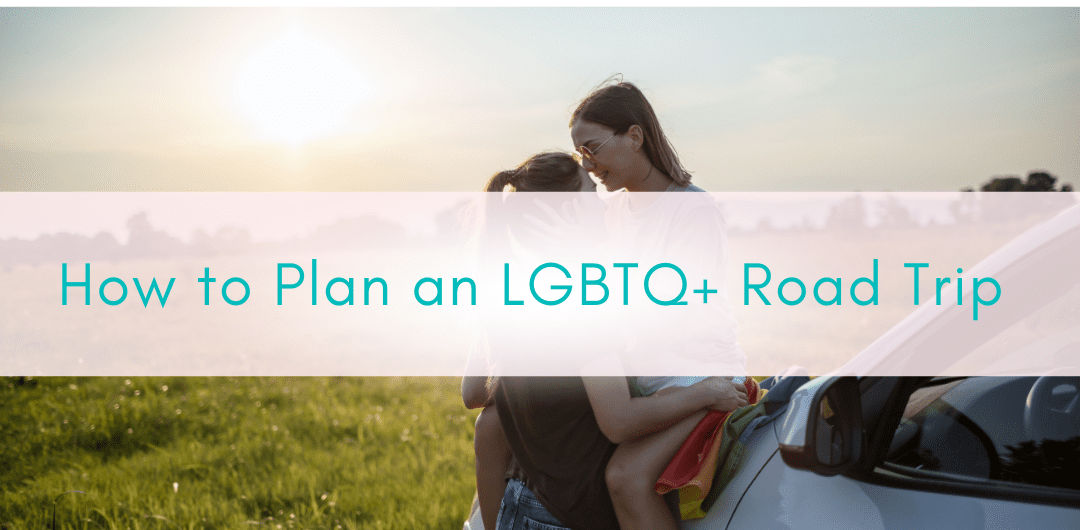
Driving across the country is an epic adventure worth adding to every travel bucket list. For queer women, a cross country road trip comes with a bit of extra planning. You have to think about which states you’re driving through and what to expect along the way. But don’t let the extra travel planning discourage you from the adventure. It’s easier than you think to plan an LGBTQ+ road trip that balances safety with exploration and fun. As a frequent road tripper and LGBTQ travel blogger, I’ve learned what works. Here are the tips I share each time I’m asked for LGBTQ road advice.
Map An LGBTQ+ Friendly Route
The easiest way to make sure your road trip is queer friendly is to build in welcoming stops. Think big cities, cute college towns, and other places where you can proudly be yourself!
You can be visibly queer without getting rude looks in progressive coastal cities like San Francisco and Seattle, but what happens once you leave the coast?
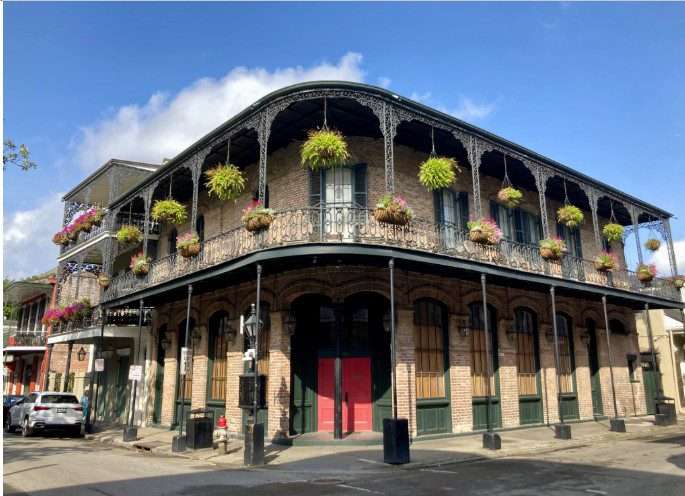
Good news: There are plenty of LGBTQ-friendly stops in the middle of the country. Add New Orleans, Atlanta, and Asheville, North Carolina to a southern route or swing north and drive through Chicago, Detroit, Minneapolis, Madison, Wisconsin.
Making your road trip route LGBTQ friendly gives you a buffer.
At most, you’re a day’s drive away from a place where you can hold your partner’s hand in public without worrying who might be watching!
Book LGBTQ Friendly Accommodations
When you’re done driving for the day, you want to relax and unwind. That’s hard to do if you’re constantly looking over your shoulder.
The good news is, it’s easy to book LGBTQ friendly accommodations in any US state. And depending on your comfort level, you can do so at any budget.
Quouch is a queer-friendly couchsurfing app. If you’re on a tight budget or looking to connect with LGBTQ locals, it’s a great inexpensive option to know.
Vacation rentals come with extra privacy. They’re a solid option for those unavoidable times when you need to stop in a place that’s not the safest. One downside is the need to plan ahead, rather than wait until you’re tired of driving and see what’s near you.
Misterb&b is an online booking site for queer friendly vacation rentals, bed and breakfasts, and hotels. Don’t let the mister in the name fool you: While some listings are just for gay men, most welcome any queer person.
Using Misterb&b takes the guesswork out of it. If you see something there, you know for sure it’s LGBTQ friendly.
If you’d rather stay in one hotel chain and earn points while you travel, most of the big hotel brands have queer friendly policies. Major hotel chains that are LGBTQ friendly include Hyatt, Hilton, Marriott, and IHG.
Sometimes you crash out and have to stop driving for the night before you can make it to a big city or safe hotel option.
In this case, knowing how to check if any hotel is LGBTQ friendly becomes super important.
Check their website or social media for LGBTQ content. If they have Pride month posts or images of same-sex couples, that’s a solid indication that you’ll be welcome there. Likewise reviews that mention “gay” or “LGBT.”
I made a quick hotel inclusivity checklist that walks you through the exact procedure I follow when booking hotels. Save it to your device before your road trip for peace of mind!
Plan Bathroom Breaks
Femmes can use the bathroom without any worries, but mascs have to be careful. Walking into the restroom — or even just existing in a public space — is risky for anyone who doesn’t conform to traditional feminine gender norms.
Gender-neutral restrooms are rare, but one reliable place you can find them is Starbucks.
Download the Starbucks app to your phone so you can check for the nearest location in a jam.
Busy gas stations and truck stops tend to be pretty safe bathroom options. The other people there are usually minding their own business and aren’t going to hassle you.
Interstate highway rest stops also tend to be fairly stress-free options.
Some may have family restrooms, but even in gendered restrooms, people are usually minding their own business.
If you’re extra cautious, avoid making stops after dark and avoid places where you’re the only car in the lot.
Female urinal devices like the p style are handy and discreet to pack. They help you go standing up and can be a lifesaver when there is no restroom in sight and you just gotta go.
While planning where to safely pee is stressful, you may blend in more than you think! In rural areas, it’s common for women to dress more outdoorsy or have short hair. I actually get way fewer comments on my appearance living in a rural area than when I lived in a city.
Keep a baseball cap or hoody around and put it on before entering the restroom. This can be a bit of camouflage for times you don’t want questions or comments about your short hair.
If driving across the US as a masc presenting or gender nonconforming woman is so challenging these days, should you try to blend in?
That’s up to you.
I didn’t try to look more femme on any of my road trips, but I know that some people prefer to mask to reduce stress and anxiety, and that’s totally a valid choice. My LGBTQ travel book, (Out) On the Road, talks through the pros and cons of passing while traveling. If you could use help thinking through the options from an affirming, queer-centered point of view, check it out!
Use Queer Apps
LGBTQ apps come in handy on road trips for all kinds of surprising reasons. They can help you connect with your locals, and new friends or dates if you are single, and find queer-owned businesses in red states and cities where having community support feels extra important.
Here are a few of the LGBTQ apps I use and recommend:
- Everywhere Is Queer: The Everywhere Is Queer app lists all kinds of queer owned businesses. It’s a great way to tap into the local queer scene. Be proactive on your road trip and use it to plan out fun and affirming stops on the way!
- HER: HER is primarily a dating app for sapphics, but it can be used to connect with local queer women, make friends and ask for advice. HER’s community feature lets you browse queer activities, meetups, and events in nearby cities.
- Lex: Lex is a queer social app. On a road trip, Lex is a guide to local LGBT resources, things to do, and safe spaces.
My Best LGBTQ Safety Tips Road Trips
I’ve driven across the country twice. I’ve also taken smaller road trips and camping vacations with my wife.
I know what it’s like to travel through red states and rural towns nervous about how you’ll be treated. I also know what it’s like to find unexpected welcome in the most unlikely places, like the Alabama state campground that had a Pride sticker in the women’s restroom.
When people ask me for the safest road trip route for LGBT, I let them know where I’ve felt the most comfortable based on my experiences.
But I also share general advice.
I don’t expect somebody to follow my exact itinerary, and I know that places evolve. A place where I felt totally comfortable may not feel welcoming to somebody else!
So rather than share a safe LGBT road trip itinerary to follow step by step, here are three of my top suggestions for any LGBTQ road trip itinerary.
Build a Safety Plan
A safety plan is just a plan to protect you when you travel.
Start by researching the local laws and any bathroom bills in the states on your route. My favorite place to do this is Movement Advancement Project.
Think about any other considerations that you might have. For example, you might want to arrive at your next stop while it’s still light out, so you can get your bearings in the daylight.
Share your road trip itinerary with a trusted friend or loved one, so they know approximately where you will be. Then check in regularly.
Personally I don’t share my live location with anyone, though if this helps you feel safer, go for it.
The purpose of a travel safety plan is to help you feel comfortable and confident, not to reinforce anxiety. So if all this research has you feeling nervous, take a few steps back. Think about what will help you feel safer and more in control.
Be friendly, but discreet
I love connecting with locals when I travel! It’s my favorite way to get local advice that cuts deeper than a blog post itinerary or social post ever could.
At the same time, I’m cautious about attracting attention and being visibly perceived as queer. So while I’m friendly I don’t share too much personal information while traveling.
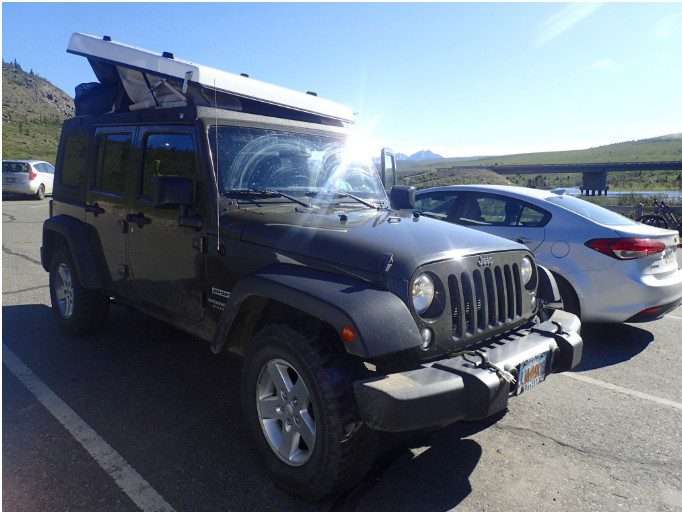
If you’re staying in a shared accommodation, like a hostel or vacation rental that has multiple rooms, be careful what you share with other people and how you present yourself in shared spaces. The same goes for vanlife road trips, where facilities are shared by everyone.
This post rounds up my tried-and-true hotel safety tips for times when you need to be discreet.
Trust Your Gut
When you’re in an unfamiliar place, gut instinct is so important. It’s that little twinge or spidey sense that’s something isn’t quite right.
If you get a bad vibe from a hotel, restaurant, or gas station, get back in your car and get out of there.
Ditto for if you’re feeling watched by the locals.
It’s better to air on the safe side and protect yourself than to ignore that little voice and risk a bad situation.
Follow Road Trip Advice
LGBTQ road trippers don’t just have to worry about their identities, they have to worry about all the usual stuff, too. Top of mind for me are car safety and making sure that I’m alert and ready to drive. For me, that looks like taking breaks when I need to and bringing a friend who can share the driving responsibilities!
Vehicle Prep
Before any long distance driving trip, have your car inspected by a mechanic you trust. Take care of any maintenance issues they suggest, like an oil change or new tires.
Even if you have your car checked out before you go, you never know when something could go wrong! Your car insurance may cover roadside assistance, but if it doesn’t, join a national program like AAA. This way if you break down on the road, you can call for assistance.
Don’t forget about seasonal items, like a snow brush or winter tires. It’s better to have it and not need it than to be stuck without it!
Build in Breaks
Driving can be tiring, so build in rest days! Give yourself a day off here and there or stay in a major destination for a few days.
You can either break up the drive with stops along the way or try to get all your driving in by early afternoon and spend the evening relaxing.
A good rule of thumb is to drive no more than 300 miles a day, or 8 to 10 hours. Stop for food and coffee breaks before you get sleepy.
I’ve used this advice to drive across the United States coast to coast twice, as well as on smaller regional road trips! I’ve had a few scary moments on my road trips, like breaking down and needing emergency car repair. But ultimately, my queer road trips have all been amazing.
Not every stop on an LGBTQ+ road trip will feel like home, and that’s the point. There are so many incredible places in the US to visit, from national parks to big city queer neighborhoods. And in more places than you might expect, you’ll find a warm welcome. So pack your car, plan your route, pick out your favorite car snacks, and enjoy the drive!
Lindsey Danis empowers LGBTQ travelers to understand and advocate for their needs and plan incredible adventures while feeling seen, heard, and supported. Lindsey is the author of (Out) On the Road: The Radical Joy of Queer Travel and founder of Queer Adventurers.
Hi, I’m Lindsey 👋 I’ve traveled to 45 US states and 24 countries. I’ve written about travel for sites like Fodor’s, TripSavvy, and Condé Nast Traveler. Now, I help LGBTQ travelers like you research and plan bucket-list outdoor adventures.
Topics
Subscribe
Subscribe for news, updates, giveaways, and more!
JOIN GIRLS WHO TRAVEL

Join our inclusive community
of tens of thousands of women who
share your passion for travel in our
Girls Who Travel Facebook group!
TAKE THE QUIZ